Skip to content

Cart

Your cart is empty

Duvet Quiz

Our duvet quiz makes it easier for you to find your perfect match.

Selecting the appropriate warmth level is the most important step in finding a duvet that is functional for you. A duvet that's too hot is particularly difficult to use! Warmth level also corresponds with puffiness / fluffiness. The more fill we add to a duvet, the warmer, fuller, and fluffier it becomes!

You may find you need to make a trade-off between form and function if you require a light duvet that's very puffy. We recommend prioritizing function if possible, particularly for high performance, luxury products like down duvets.

Select your sleep preferences below to view our recommendations!

Preferences
Price
There are many factors that contribute to the price of a duvet, but the primary one is the fill.
Down is much more expensive per ounce than feather or microfiber. Higher loft down is more expensive than lower loft down.
Goose material is more costly than duck material.
And of course, how much fill the duvet contains (determined by the size and the warmth level) impacts the price too.

If value is your primary goal, we highly recommend duck products over goose. Goose material is scarcer than duck, which drives up the price. Duck and goose material of the same loft feel and perform the same, so opting for duck allows you to experience all the benefits of a luxury product at a nicer price.
Opting for a lower loft product is also a good way to drive value. Depending on your needs and preferences, a high loft down product may not be necessary!

Shell Softness / Noise Level
The higher the thread count, the softer and quieter the shell. Lower thread counts are more crisp and make a rustling noise with movement. If you're looking for a quiet shell, you'll generally be satisfied with a thread count of 300 or above. Lower thread counts are more durable - you'll find that feather products are paired with lower thread count fabrics that stand up better to the feather quills.

Weight
Any down duvet is going to be relatively lightweight. Down is a very powerful insulator, so just a small amount of fill goes a long way in terms of warmth. This is even more pronounced the higher the loft. Higher loft down is warmer per ounce, so it takes less fill to achieve the desired warmth level.
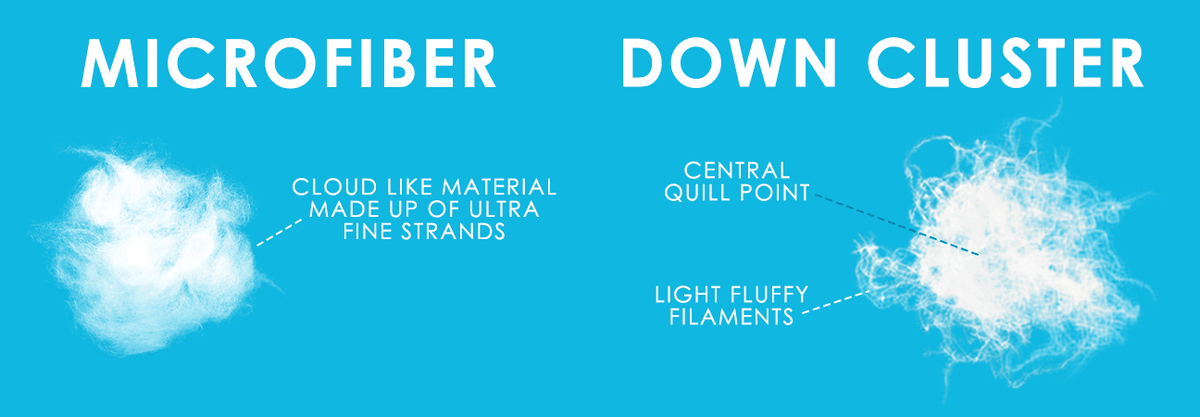
Lower loft down duvets are still quite light, but are heavier than higher loft down duvets. (Note that just because lower loft down duvets contain more fill than higher loft ones, they do not have a fluffier or puffier appearance. Lower loft down duvets are fuller but contain smaller down clusters. Higher loft down duvets contain less fill but the down clusters are larger. So it evens out!)
Duvets containing feather and microfiber are heavier. These materials are not nearly as insulating as down, so much more fill is required to achieve the desired warmth level.
You can find the exact fill weight listed on each product page!

Preferences

Price
There are many factors that contribute to the price of a duvet, but the primary one is the fill.
Down is much more expensive per ounce than feather or microfiber. Higher loft down is more expensive than lower loft down.
Goose material is more costly than duck material.
And of course, how much fill the duvet contains (determined by the size and the warmth level) impacts the price too.

If value is your primary goal, we highly recommend duck products over goose. Goose material is scarcer than duck, which drives up the price. Duck and goose material of the same loft feel and perform the same, so opting for duck allows you to experience all the benefits of a luxury product at a nicer price.
Opting for a lower loft product is also a good way to drive value. Depending on your needs and preferences, a high loft down product may not be necessary!

Shell Softness / Noise Level
The higher the thread count, the softer and quieter the shell. Lower thread counts are more crisp and make a rustling noise with movement. If you're looking for a quiet shell, you'll generally be satisfied with a thread count of 300 or above. Lower thread counts are more durable - you'll find that feather products are paired with lower thread count fabrics that stand up better to the feather quills.

Weight
Any down duvet is going to be relatively lightweight. Down is a very powerful insulator, so just a small amount of fill goes a long way in terms of warmth. This is even more pronounced the higher the loft. Higher loft down is warmer per ounce, so it takes less fill to achieve the desired warmth level.
Lower loft down duvets are still quite light, but are heavier than higher loft down duvets. (Note that just because lower loft down duvets contain more fill than higher loft ones, they do not have a fluffier or puffier appearance. Lower loft down duvets are fuller but contain smaller down clusters. Higher loft down duvets contain less fill but the down clusters are larger. So it evens out!)
Duvets containing feather and microfiber are heavier. These materials are not nearly as insulating as down, so much more fill is required to achieve the desired warmth level.
You can find the exact fill weight listed on each product page!

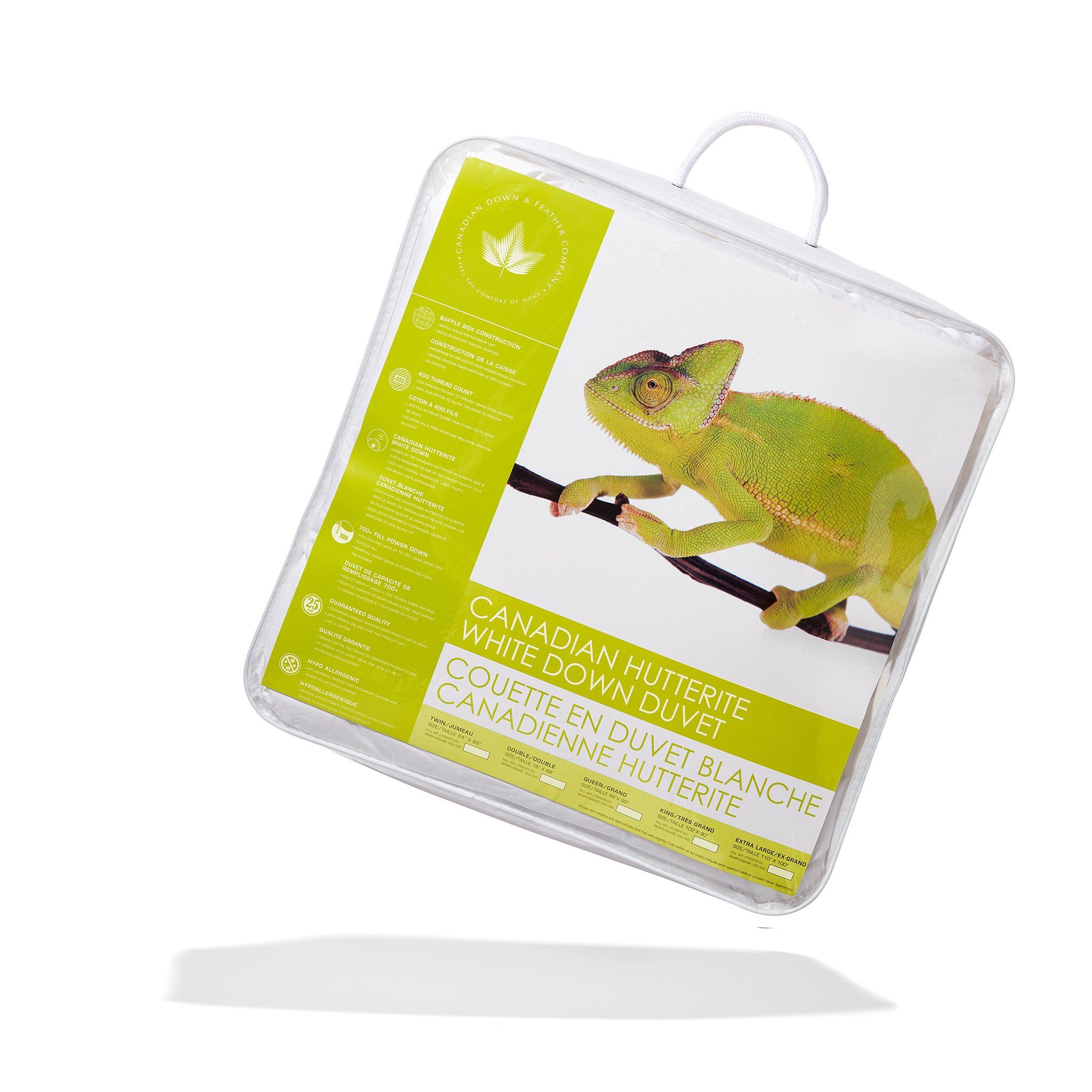
Thread Count: 360
Loft: 625+
Fill Type: Duck Down
Recommended Weight
, ,
Thread Count: 360
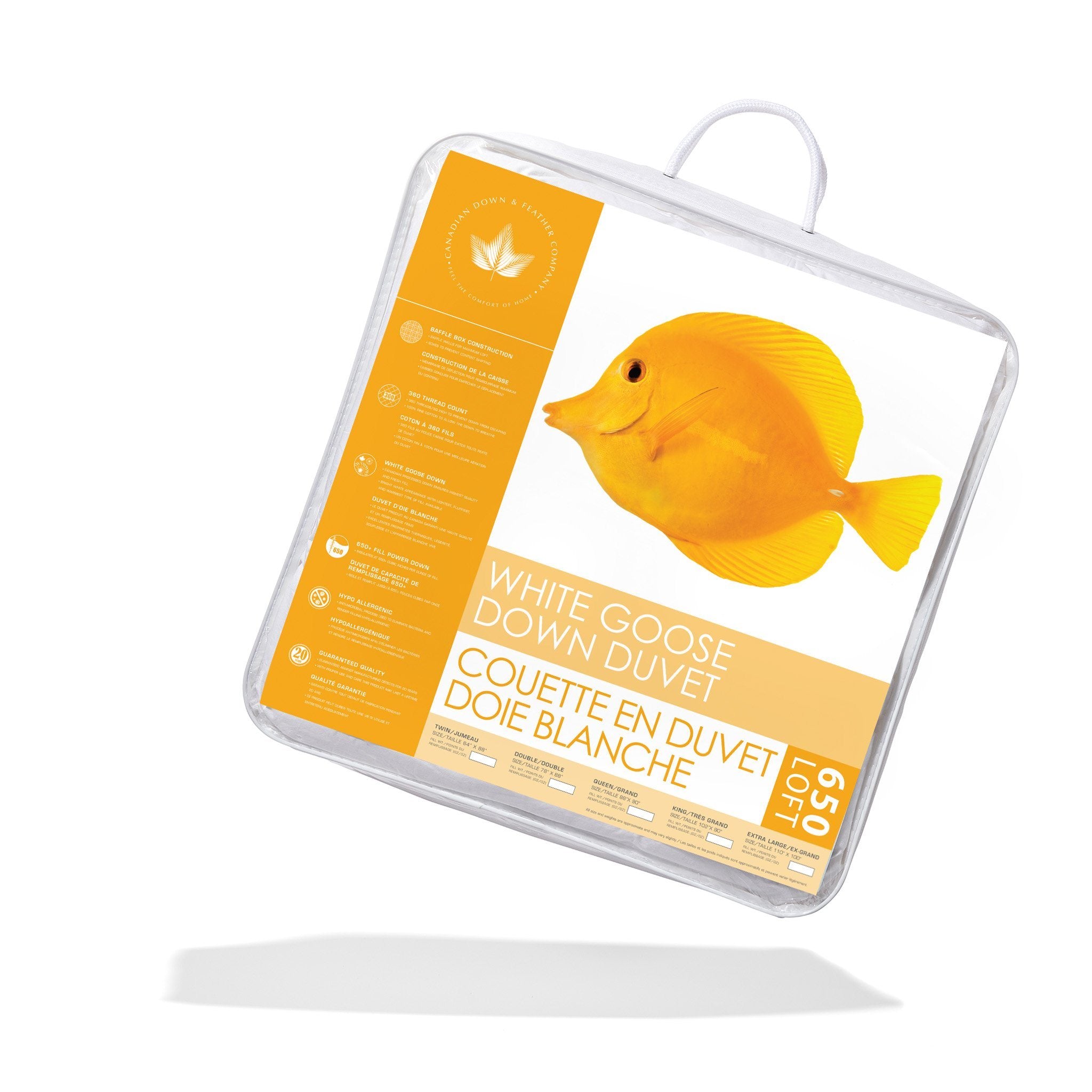
Loft: 650+
Fill Type: Goose Down
Recommended Weight
, , ,
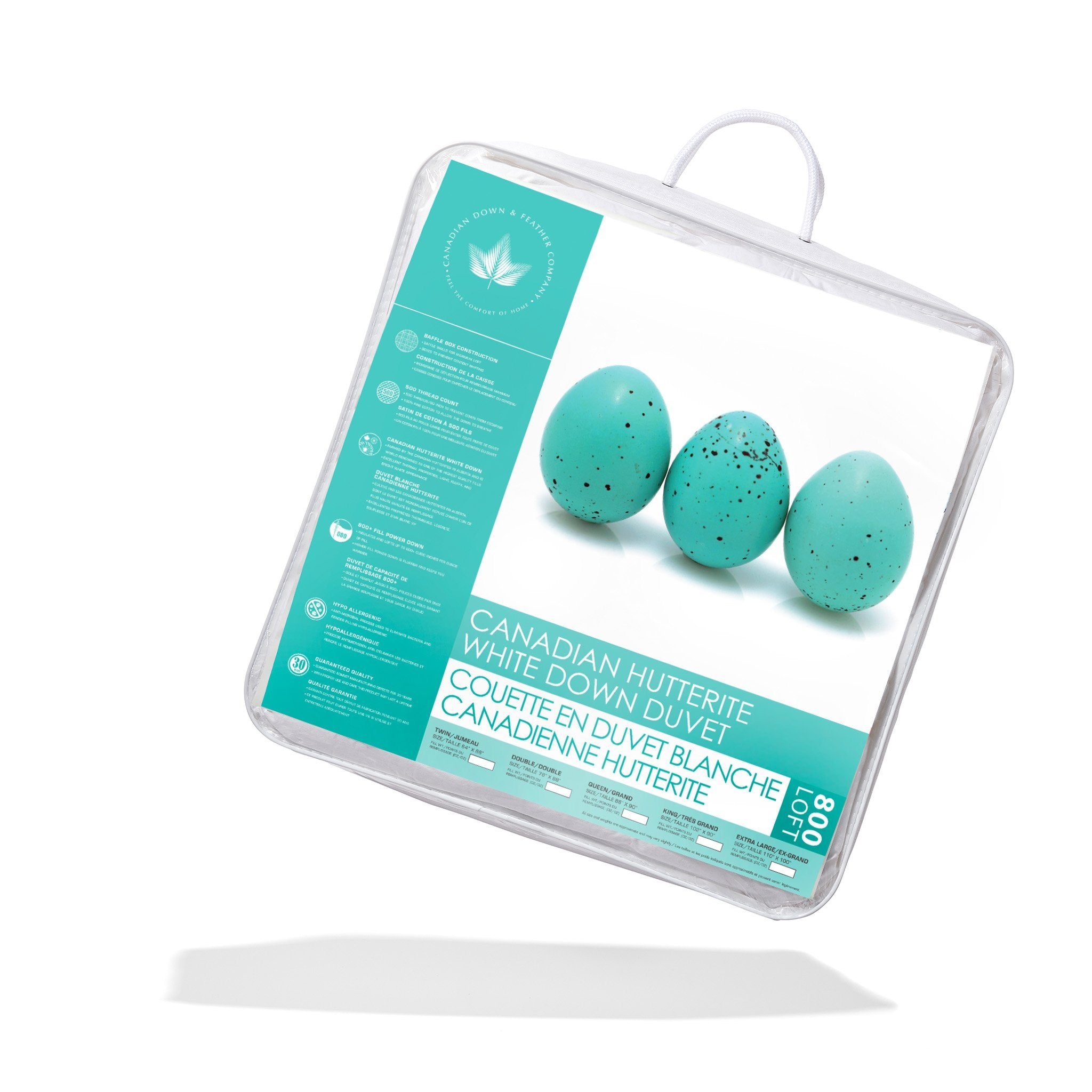
Thread Count: 500
Loft: 800+
Fill Type: Duck Down
Recommended Weight
,
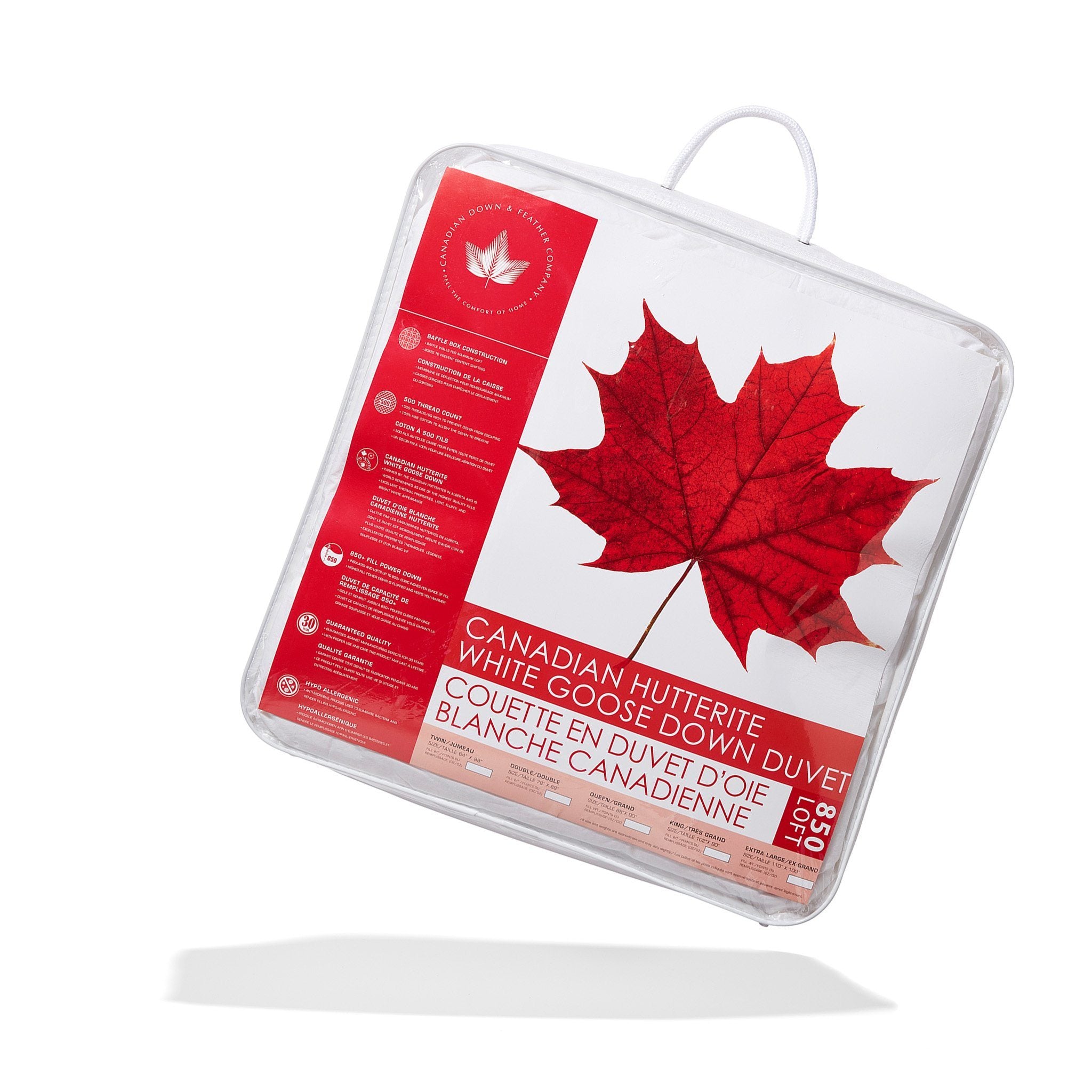
Thread Count: 500
Loft: 850+
Fill Type: Goose Down
Recommended Weight
,
Thread Count: 400
Loft: 725+
Fill Type: Goose Down
Recommended Weight
,
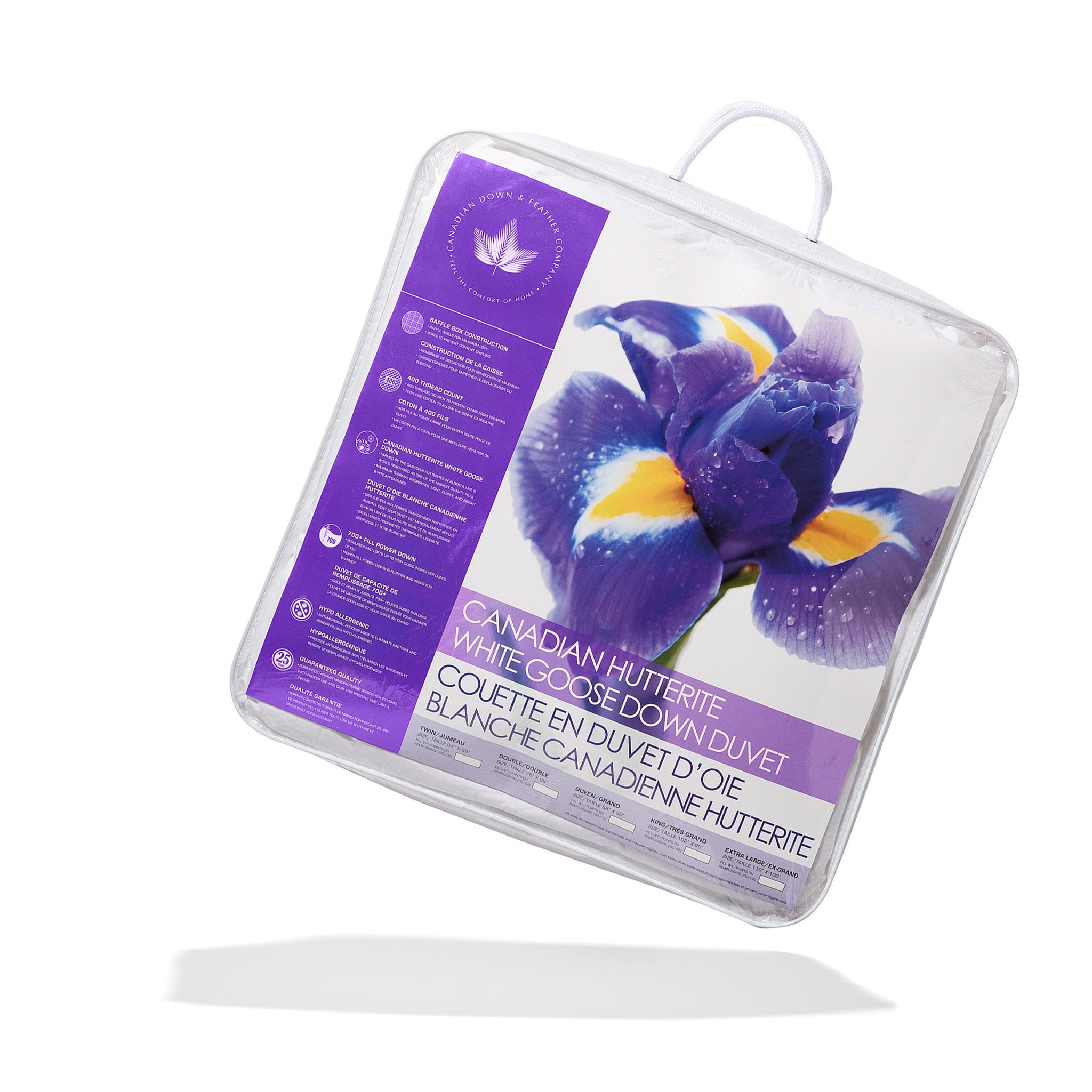
Thread Count: 400
Loft: 700+
Fill Type: Duck Down
Recommended Weight
,
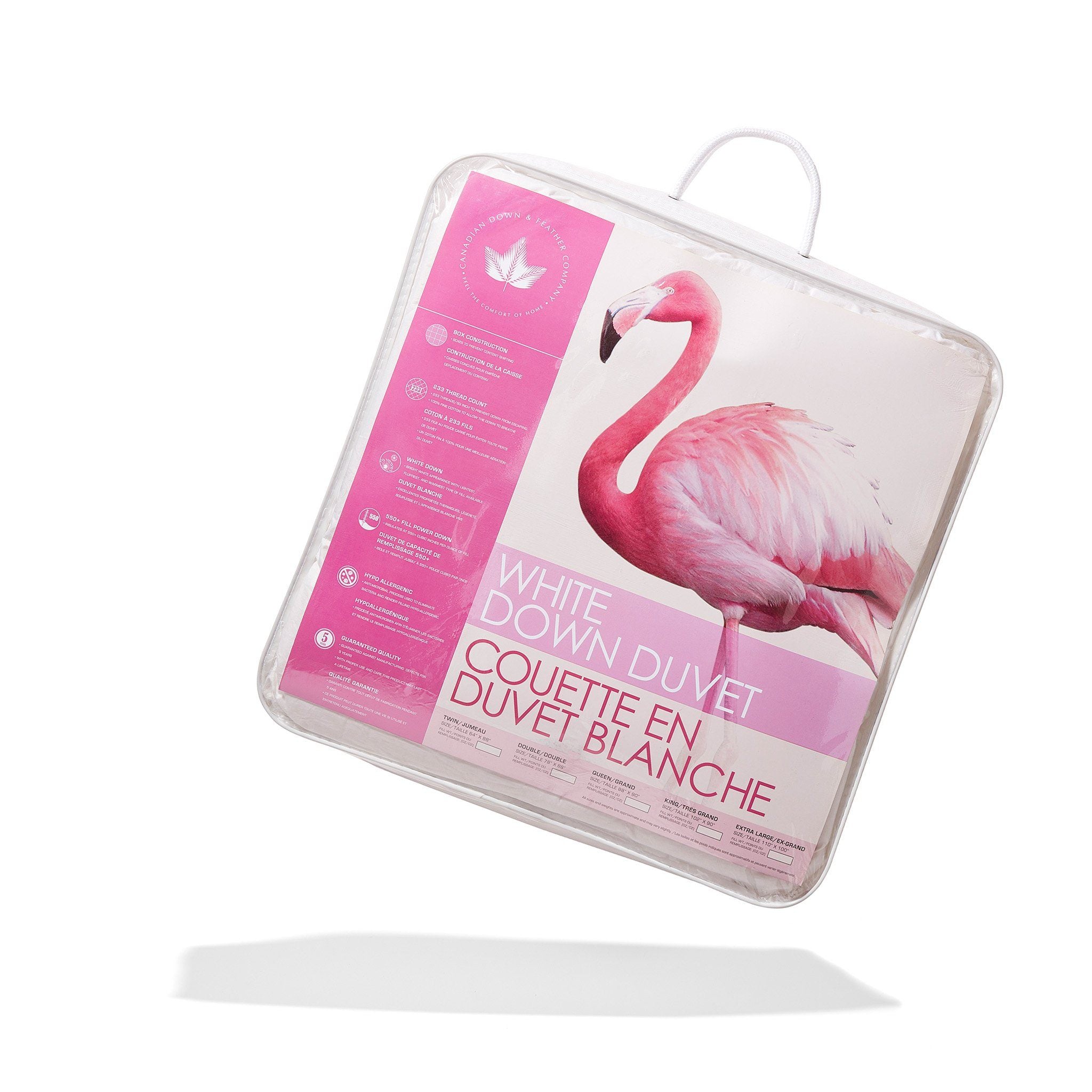
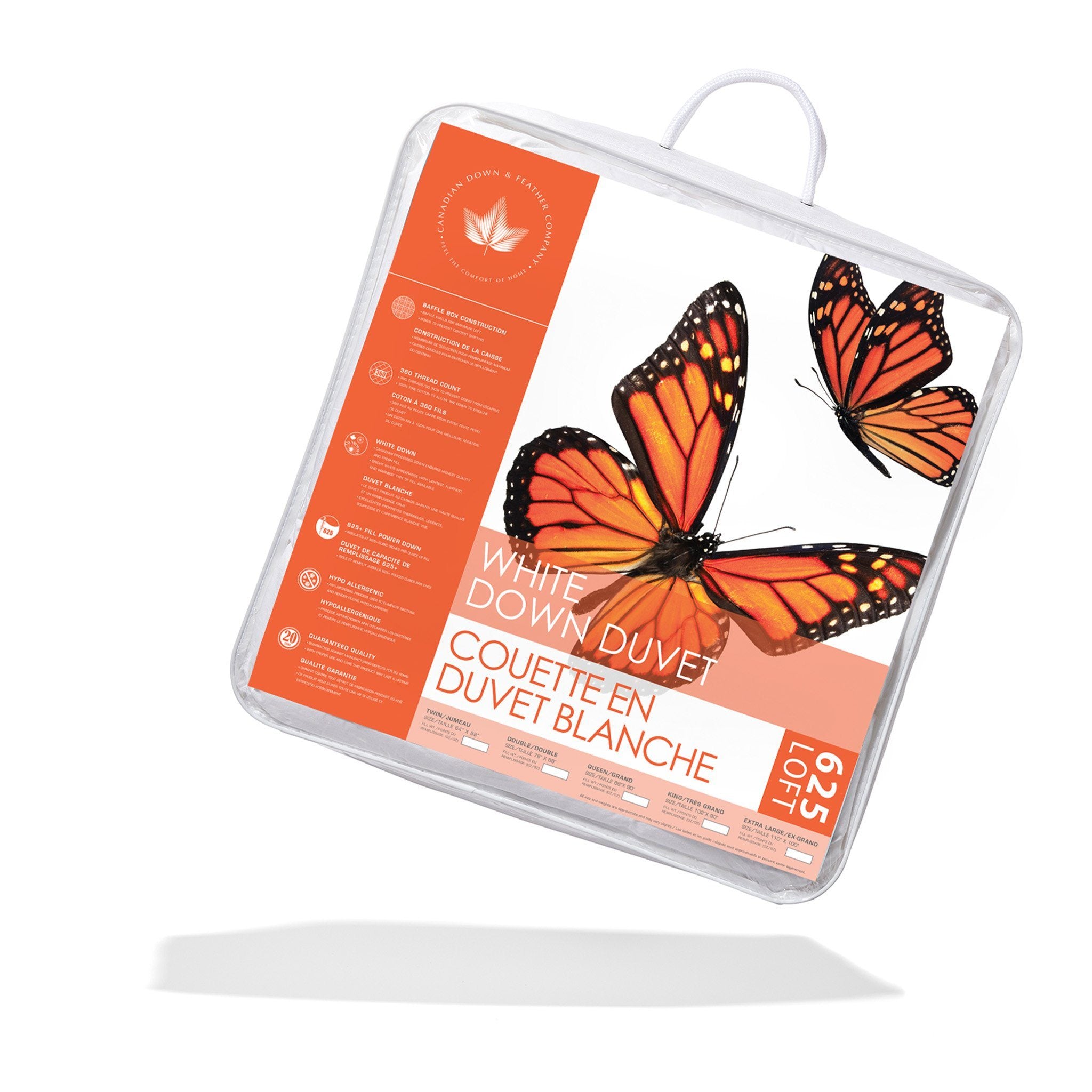
White Down Duvet - Canadian Down & Feather Company On sale
White Down Duvet
From ¥21,600 ¥27,000
(47)
Thread Count: 260
Loft: 550+
Fill Type: Duck Down
Recommended Weight
, ,
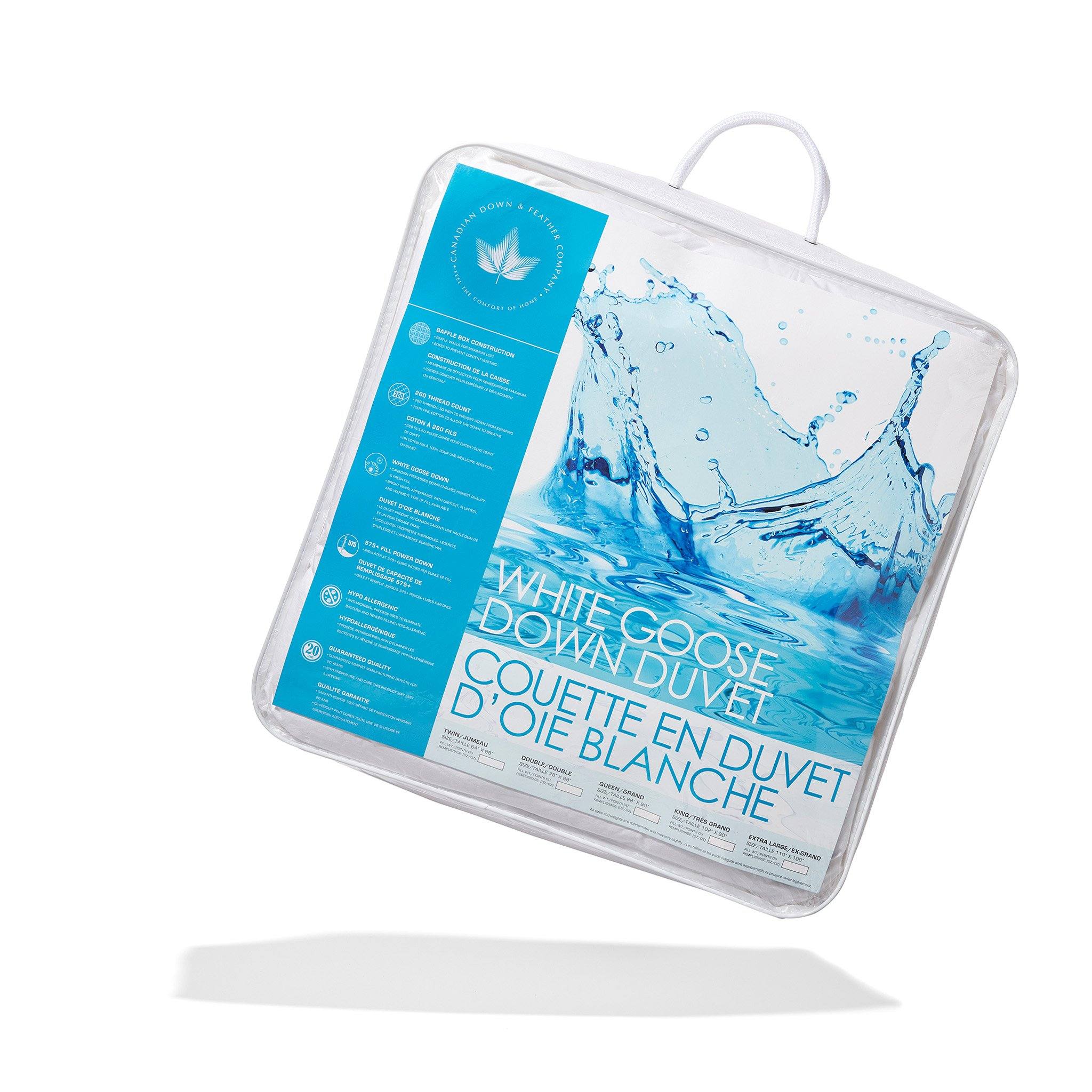
Thread Count: 260
Loft: 575+
Fill Type: Goose Down
Recommended Weight
, , ,

Duvet Buying Guides

Guide to Duvet Warmth

Guide to Duvet Warmth

It can be tricky to determine which duvet will keep you at the perfect temperature, but we've got you covered!

Read more

Choosing The Right Duvet

Choosing The Right Duvet

Before you begin shopping for a duvet, take the time to consider what’s important to you and define your budget. This will help you focus your search and find a duvet that will serve your needs an...

Read more
Why Use a Down Duvet?

Why Use a Down Duvet?

Why Use a Down Duvet? Down duvets are ultra luxurious, high performance sleep products that have many fabulous benefits for you and the planet! Let’s dive in: Longevity Down duvets that are prope...

Read more

Understanding Our Product

Down Vs. Microfiber Down Alternative

Down Vs. Microfiber Down Alternative

When buying a duvet or comforter, as it is often referred to in the United States, it is important to ask yourself several questions – what type of sleeper am I? How much warmth do I want my duvet...

Read more
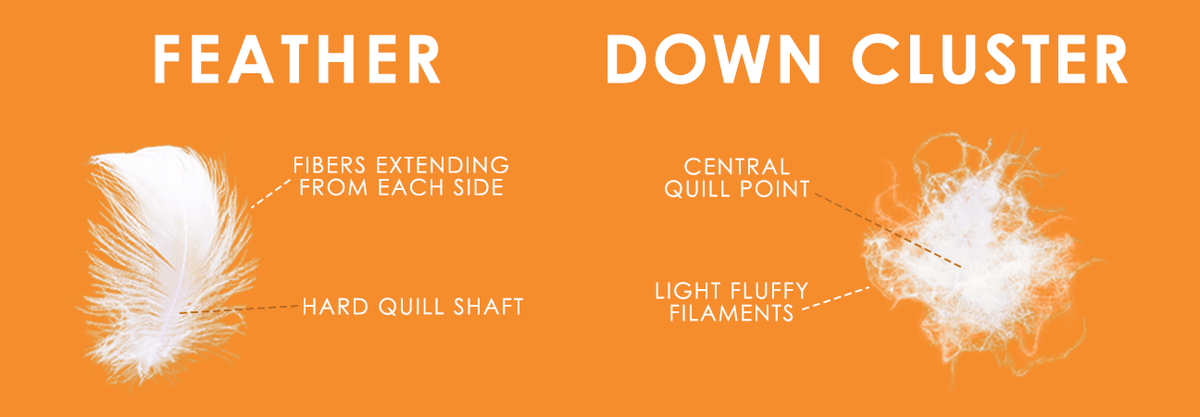
Down and Feather - What's the Difference?

Down and Feather - What's the Difference?

There’s a common misconception among consumers that down and feathers are the same thing. In fact, they’re quite different. In this post, we break down the main differences between these fill types.

Read more

What is Hutterite Down?

What is Hutterite Down?

Who are the Hutterites and why is their down so prized? 

Read more
Thread Count

Thread Count

What is the optimal thread count for down and feather products? How does thread count affect the quality, feel, and price of a product? Read on to find answers to common questions about thread count!

Read more

What is Loft?

What is Loft?

What does loft mean and how does it affect your duvet?

Read more
Is Goose Down Better Than Duck?

Is Goose Down Better Than Duck?

Duck is not a bad word. No, that wasn’t autocorrect. We meant duck. Duck down products are excellent alternatives to their goose down counterparts. So how did they get such a bad reputation?

Read more